

Scuba Diving St. Thomas: 12 Best Dive Sites, Shops & Visibility Guide (2026)
Complete guide to scuba diving in St. Thomas USVI — top dive sites like Cow & Calf and the Cartanser Sr. wreck, certified dive shops, water visibility by month, and what to expect at every depth.
Key Takeaways
Complete guide to scuba diving in St. Thomas USVI — top dive sites like Cow & Calf and the Cartanser Sr. wreck, certified dive shops, water visibility by month, and what to expect at every depth.
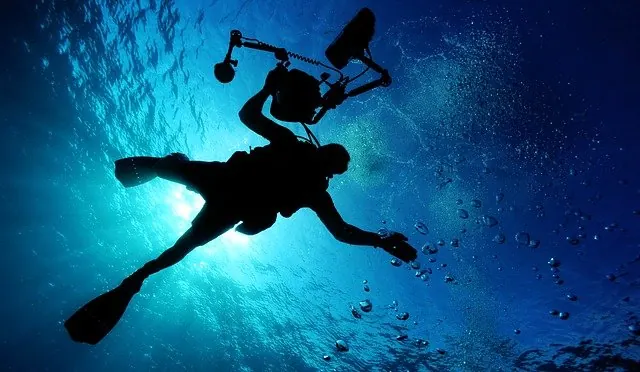
Why St. Thomas Is One of the Caribbean's Best Dive Destinations
St. Thomas sits at the crossroads of the Atlantic Ocean and Caribbean Sea, creating an underwater playground that rivals any dive destination in the region. With year-round water temperatures between 78–84°F, visibility regularly reaching 60–100+ feet, and over a dozen world-class dive sites within a 20-minute boat ride, it's no wonder scuba divers keep coming back to the U.S. Virgin Islands.
Best of all, no passport is required for U.S. citizens — St. Thomas is a U.S. territory. Just bring your certification card, a valid ID, and your sense of adventure. Read our USVI passport requirements guide for full details.
Book this trip
Baths & Treasure Caves Full-Day Power Catamaran Tour
Cruz Bay Watersports · 8.5 Hours
Best Dive Sites in St. Thomas
From shallow reef dives perfect for newly certified divers to deep wreck penetrations for advanced explorers, St. Thomas has something for every skill level.
1. Cow & Calf Rocks
Depth: 30–60 ft | Level: Open Water+
Two massive rock formations rising from a sandy bottom create a dramatic underwater landscape. Expect to see sea turtles, barracuda, eagle rays, and dense schools of blue tang. The swim-throughs between the rocks are a photographer's dream. This is consistently rated the #1 dive site in St. Thomas.
2. Cartanser Sr. Wreck
Depth: 35 ft | Level: Open Water
This intentionally sunk cargo ship sits upright in the Charlotte Amalie harbor and is one of the most accessible wreck dives in the Caribbean. The hull is covered in colorful sponges and soft corals, and the interior is home to lobsters, moray eels, and glassy sweepers. Perfect for night dives too.
3. French Cap Cay
Depth: 40–90 ft | Level: Advanced
Located south of St. Thomas, French Cap is a pinnacle dive with dramatic wall drops. Strong currents bring in pelagic species including sharks, tuna, and spotted eagle rays. The coral formations here are among the healthiest in the USVI. This is a bucket-list dive for experienced divers.
4. Grain Wreck (Grainton)
Depth: 60 ft | Level: Advanced Open Water
A 200-foot grain freighter sitting on its side, heavily encrusted with coral growth. Large groupers, nurse sharks, and southern stingrays patrol the wreck. The size of this wreck means you can easily spend an entire dive exploring its structure.
5. Seahorse Cottage Shoal
Depth: 25–45 ft | Level: Open Water
Named for the seahorses occasionally spotted here, this shallow reef system features beautiful brain corals, sea fans, and an abundance of macro life. A favorite among underwater photographers and a great second dive site.
6. Coki Beach Reef
Depth: 15–40 ft | Level: Discover Scuba / Open Water
The house reef at Coki Beach is one of the best shore dives in the Caribbean. You can walk right in from the beach and be surrounded by hundreds of fish within minutes. Sergeant majors, yellowtail snappers, and the occasional octopus make this a consistently rewarding dive.
7. Flat Cay
Depth: 30–70 ft | Level: Open Water+
A small uninhabited island with multiple dive sites around its perimeter. The south side features dramatic boulder formations with swim-throughs, while the north side has a gentle sloping reef perfect for drift diving.
8. Saba Island (USVI)
Depth: 40–80 ft | Level: Advanced
Not to be confused with the Dutch island, this tiny rock south of St. Thomas offers some of the most pristine diving in the territory. Healthy elkhorn and staghorn corals, plus regular sightings of Caribbean reef sharks.
9. Capella Island
Depth: 20–50 ft | Level: Open Water
Located between St. Thomas and St. John, Capella Island's reef system is a hidden gem. The shallow areas are perfect for snorkeling, while deeper sections reveal caves and overhangs housing lobsters and spotted drum fish.
10. Witshoal II Wreck
Depth: 90 ft | Level: Deep Diver
A deep wreck dive that rewards advanced divers with incredible marine life. The structure acts as an artificial reef, attracting large schools of horse-eye jacks and the occasional whale shark during winter months.
11. Buck Island (South Side)
Depth: 30–60 ft | Level: Open Water+
The south side wall of Buck Island drops dramatically and features pristine hard corals, sponge gardens, and regular turtle encounters. The protected status of the area means marine life is abundant and unafraid of divers.
12. Hans Lollik Island
Depth: 20–55 ft | Level: Open Water
An uninhabited island north of St. Thomas with crystal-clear water and healthy reef systems. Limited boat traffic means you often have the dive site to yourself. Great for both scuba and snorkeling.
St. Thomas Dive Shops & Operators
These PADI and SSI-certified dive centers offer everything from Discover Scuba experiences to advanced certification courses and multi-tank boat dives.
Aqua Marine Dive Center
Located at the Marriott Frenchman's Reef, Aqua Marine is one of the island's most established dive operators. They run daily two-tank boat dives, PADI certification courses from Open Water through Divemaster, and popular night dive excursions. Their boats depart from the south side, giving quick access to Cow & Calf and French Cap.
Coki Dive Center
Right on Coki Beach, this shop specializes in shore diving and Discover Scuba programs. It's the most convenient option for first-time divers who want to try scuba without committing to a full day on a boat. They also rent snorkel gear for non-diving companions.
Red Hook Dive Center
Operating from Red Hook, this shop offers easy access to dive sites around St. John and the outer cays. They're known for small group sizes (max 6 divers) and personalized attention. Great for divers heading to St. John for a combined dive and island exploration trip.
St. Thomas Diving Club
A long-running operation at Bolongo Bay that caters to resort guests and independent divers alike. Their house reef is excellent for check-out dives, and they offer multi-day dive packages with accommodation discounts.
Water Visibility & Conditions by Month
Understanding seasonal conditions helps you plan the best possible dive trip. Here's what to expect throughout the year:
| Month | Water Temp (°F) | Avg Visibility (ft) | Conditions |
|---|---|---|---|
| January–March | 78–80 | 80–100+ | Best visibility. Calm seas. Peak whale season (humpbacks). Slight chance of swells from northern fronts. |
| April–June | 80–82 | 70–100 | Excellent conditions. Water warms up. Manta ray sightings increase. Pre-hurricane season calm. |
| July–September | 82–84 | 60–80 | Warmest water. Plankton blooms can reduce visibility. Afternoon rain squalls common but mornings usually clear. Best macro diving. |
| October–December | 80–82 | 70–90 | Hurricane season winds down. Visibility improves through December. Fewer crowds. Great value season. |
Pro tip: Morning dives almost always have better visibility than afternoon dives, regardless of season. Book the earliest boat departure available.
What Does Scuba Diving Cost in St. Thomas?
Here's what you can expect to pay for diving in St. Thomas in 2026:
- Discover Scuba (no certification needed): $120–$175 per person
- Two-tank boat dive (certified divers): $110–$160 per person
- Night dive: $85–$120 per person
- PADI Open Water certification course: $450–$650 (3–4 days)
- Full gear rental (BCD, reg, wetsuit, mask, fins): $35–$50/day
- Private dive charter (up to 6 divers): $800–$1,500
Use our Charter Cost Calculator to compare private vs. shared diving charter costs for your group size.
What Should You Bring for Diving in St. Thomas?
Most dive shops provide tanks, weights, and can rent full gear sets. However, experienced divers typically bring:
- Your own mask and snorkel — fit is personal and critical for comfort
- Dive computer — many shops charge $15–$25/day to rent one
- Reef-safe sunscreen — required by USVI law since 2020
- Certification card — physical or digital (most shops accept digital via PADI app)
- Dive log — some operators check recent dive history for advanced sites
- 3mm wetsuit or rash guard — water is warm but a thin suit prevents stings and scrapes
Can Beginners Go Scuba Diving in St. Thomas?
Absolutely! St. Thomas is one of the best places in the world for first-time divers. The Discover Scuba Diving (DSD) program lets you experience scuba with just a 30-minute pool session followed by an open water dive to 40 feet. No prior experience or certification is needed — just basic swimming ability.
Coki Beach is the most popular spot for introductory dives because the calm, shallow reef starts right from shore. You'll see tropical fish, sea turtles, and colorful corals on your very first dive.
Do You Need a Passport to Scuba Dive in St. Thomas?
No. St. Thomas is a U.S. territory, so U.S. citizens only need a government-issued photo ID (driver's license or Real ID). However, if your dive trip includes a BVI day trip to sites like the Wreck of the Rhone, you will need a valid passport. See our complete passport requirements guide.
How to Get to Dive Sites from Your Hotel?
Most dive operators offer hotel pickup or are located at major resort properties. Here are the main departure points:
- Red Hook — Access to east-side sites and St. John diving. Close to the ferry terminal.
- Frenchman's Reef / Bolongo Bay — South-side departure for Cow & Calf, French Cap, and Buck Island.
- Coki Beach — Walk-in shore diving, no boat needed.
- Charlotte Amalie — Cruise ship port with several nearby operators for half-day dives.
If you're staying at the Westin Resort on St. John, several operators will pick you up at Cruz Bay Dock.
Best Time to Go Scuba Diving in St. Thomas?
The best diving conditions are January through June when visibility peaks at 80–100+ feet and seas are calmest. However, St. Thomas offers excellent year-round diving. The summer months (July–September) bring warmer water and better macro life, though visibility may drop to 60–80 feet due to plankton blooms.
For the best combination of visibility, calm seas, and value, consider April–May or November–December as shoulder seasons.
Combining Diving with Other Activities
St. Thomas offers much more than diving. Many visitors combine their dive trip with:
- Sunset sailing — The perfect way to end a dive day
- Kayak tours — Explore mangroves and hidden bays on your off-gas day
- Parasailing — See the island from above
- Full-day boat charters — Combine snorkeling, diving, and island hopping
- Jeep tours — Explore the island's interior and scenic overlooks
- St. John hiking — Hike the national park trails on a non-dive day
Browse all available charters and excursions to build your perfect USVI trip.
Related Guides
- Charter Cost Calculator — Compare private vs. shared charter costs by group size
- USVI Passport Requirements — What ID you need for USVI vs. BVI destinations
- Best St. John Anchorages — Top spots for charter sailing and snorkeling
- Cruz Bay National Park Dock — Main departure point for St. John dive charters
- Boat Rentals — Rent your own boat to explore dive sites independently
Continue Reading
- Top 10 Snorkeling Spots in the US Virgin Islands· 8 min read
- Best Snorkeling Spots in St. John: A Local's Guide· 6 min read
- Coki Beach St. Thomas: Shore Snorkeling Guide· 5 min read
Ready to Explore the Virgin Islands?
Turn inspiration into adventure. Browse our curated selection of boat charters, excursions, and island experiences.