

Reef-Safe Sunscreen Guide for the USVI
What you need to know about reef-safe sunscreen laws for USVI visitors.
Key Takeaways
What you need to know about reef-safe sunscreen laws for USVI visitors.
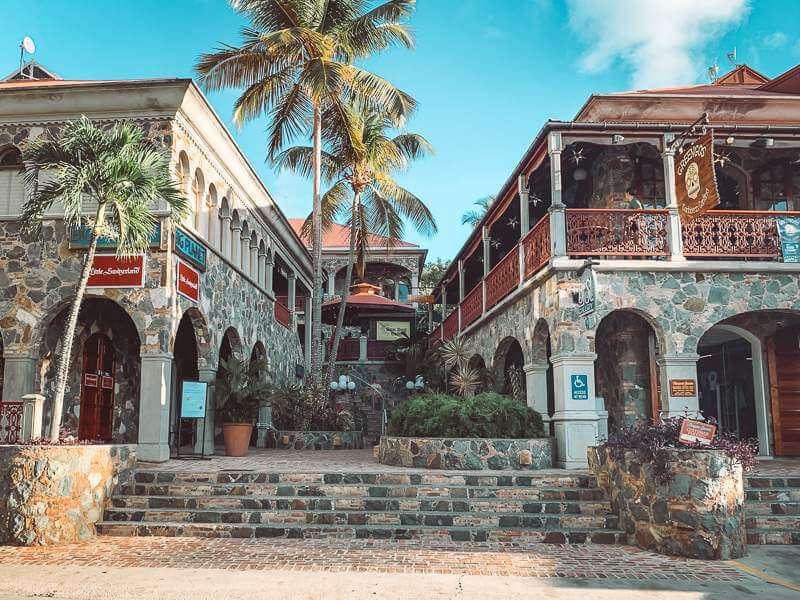
Reef-Safe Sunscreen in the USVI: What You Need to Know
Since March 2020, the US Virgin Islands has enforced one of the strictest sunscreen laws in the world, banning products containing chemicals proven to damage coral reefs. Understanding this law isn't just about avoiding fines — it's about protecting the extraordinary marine ecosystem that makes the USVI one of the world's premier snorkeling and diving destinations.
Why the USVI Banned Certain Sunscreens
Scientific research published in the journal Archives of Environmental Contamination and Toxicology found that common sunscreen chemicals cause coral bleaching even at extremely low concentrations. When thousands of swimmers enter USVI waters daily — particularly at popular spots like Trunk Bay, Coki Beach, and Magens Bay — the cumulative chemical load becomes devastating.
Oxybenzone alone was found to:
- Cause coral bleaching at concentrations as low as 62 parts per trillion
- Damage coral DNA, making reefs less resilient to climate change
- Disrupt the reproductive cycle of fish and sea turtles
- Accumulate in reef tissue over time
Chemicals Banned in the USVI
The following UV-filtering chemicals are prohibited in any sunscreen sold or used in the territory:
- Oxybenzone (benzophenone-3) — The most harmful; found in ~70% of conventional sunscreens
- Octinoxate (octyl methoxycinnamate) — Common in "lightweight" and spray formulas
- Octocrylene — Often found in water-resistant and sport formulas
Important: This law applies to sunscreen you bring to the islands, not just what you buy there. Technically, using banned sunscreen in USVI waters can result in fines, though enforcement primarily targets retail sales.
What to Look For: Reef-Safe Ingredients
Truly reef-safe sunscreens use mineral (physical) UV filters that sit on top of your skin rather than being absorbed:
- Zinc Oxide — Broad-spectrum UVA/UVB protection; the gold standard for reef safety
- Titanium Dioxide — Excellent UVB protection; often combined with zinc oxide
Reading Labels Like a Pro:
- Look for "mineral" or "physical" sunscreen on the front label
- Check the Active Ingredients panel — only zinc oxide and/or titanium dioxide should be listed
- Beware of "reef-friendly" marketing — this term is unregulated and some products still contain harmful chemicals
- Avoid anything labeled "chemical sunscreen" or listing avobenzone, homosalate, or octisalate
Recommended Reef-Safe Brands Available in the USVI
These brands are widely available at island shops, pharmacies, and charter operators:
- Raw Elements — Certified reef-safe, plastic-free packaging, excellent water resistance
- Thinksport — SPF 50+, great for active water sports, widely available
- Badger — Organic, mineral-based, available in tinted and clear formulas
- Sun Bum Mineral — Affordable, good for everyday use (make sure it's the mineral line)
- Stream2Sea — Tested for aquatic toxicity, biodegradable formula
Beyond Sunscreen: Sun Protection Strategies
The Caribbean sun is intense — the UV index regularly reaches 11+ (extreme). Smart sun protection goes beyond sunscreen:
- Rash Guards/UV Shirts — The single most effective sun protection for snorkeling. SPF 50+ fabric that never washes off
- Wide-Brim Hats — Essential for boat days; bring a chin strap so it doesn't blow away
- UV-Blocking Sunglasses — Polarized lenses with a strap for on-water glare reduction
- Seek Shade — Most charter boats have bimini tops or covered areas; use them during midday hours (10 AM–2 PM)
- Re-Apply Properly — Even reef-safe mineral sunscreen needs reapplication every 80 minutes when swimming, or every 2 hours on land
What Happens If You Bring the Wrong Sunscreen?
Don't panic. Island shops and most charter operators sell reef-safe options at the dock. Prices are slightly higher than mainland stores ($15–$25 per bottle), so buying before your trip is recommended. Many Amazon and drugstore retailers now carry reef-safe options.
The Bigger Picture
The USVI's coral reefs support a $2+ billion annual tourism economy. Healthy reefs mean vibrant snorkeling, abundant marine life, and the crystal-clear water that draws millions of visitors. By choosing reef-safe sunscreen, you're directly contributing to preserving the experience that brought you to the islands in the first place.
Every charter guest, snorkeler, and beachgoer plays a role in keeping these reefs alive for future generations.
Book this trip
Full-Day Private USVI Powerboat Charter for 12 Guests
Sunshine Daydream Charters · 6.5 Hours
Private USVI Luxury Power Catamaran Charter - Half Day
Salty Viking Charters · 4 Hours
What to Buy Before You Fly
Reef-safe options at home cost 20–30% less than on-island. Amazon-shipped Thinksport SPF 50 (~$14) is our default recommendation — it is unscented, works under snorkel masks, and does not sting eyes.
Where to Snorkel with Reef-Safe Sunscreen
Our top recovery-era snorkel spots are all in our shore snorkeling guide.
Booking a snorkel charter? Most operators now provide reef-safe sunscreen onboard — browse trips here.
Continue Reading
Ready to Explore the Virgin Islands?
Turn inspiration into adventure. Browse our curated selection of boat charters, excursions, and island experiences.